

Imurenge.com
Loading...
Welcome ! Preparing Your experience ..
Welcome ! Preparing Your experience ..
March 28, 2026internationalpolitics#breaking-news#analysis
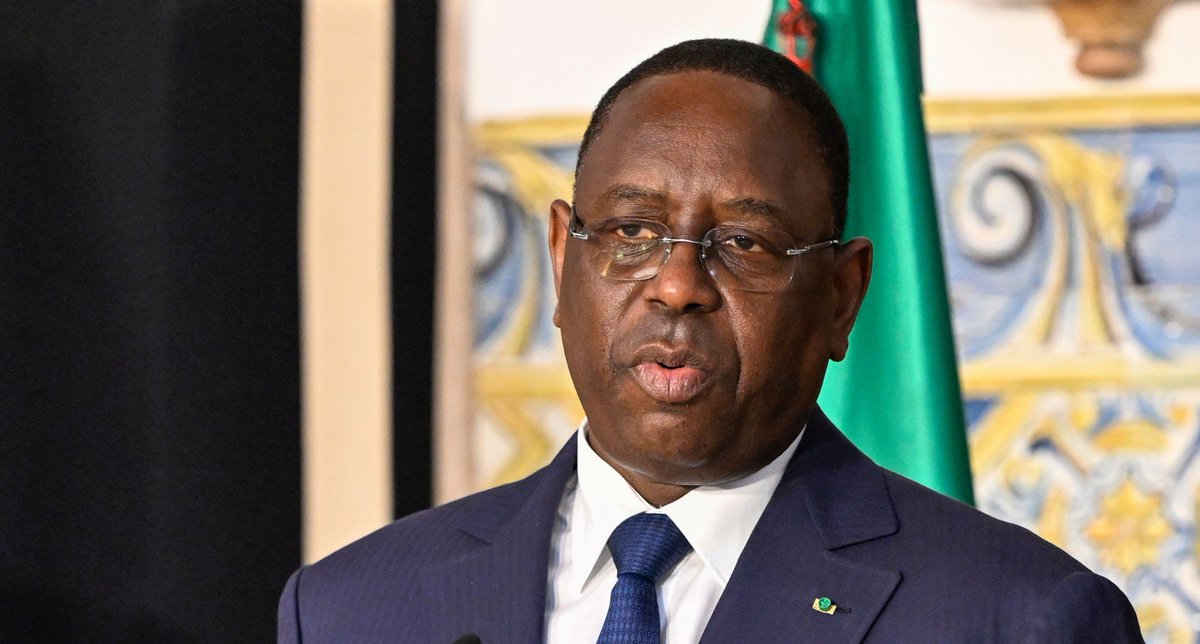
At first glance, it looked like a routine diplomatic setback. A former head of state expressing interest in leading the United Nations, only to be turned down by the African Union.
But when you take a closer look at what happened to Macky Sall’s candidacy, it becomes clear this was not just about numbers or procedure. It was about credibility, timing, and something even more decisive in diplomacy, trust.
One detail stood out immediately.
Senegal itself did not back his candidacy.
That alone carries serious weight. In international diplomacy, especially for a role as sensitive as UN Secretary-General, candidates are expected to have firm and visible support from their own governments.
Without that, doubts emerge quickly.
Other countries begin to ask quiet but important questions. If his own country is not behind him, what does that say about internal consensus? Is there unfinished political tension at home?
In Sall’s case, those questions likely worked against him from the start.
Macky Sall left office in 2024 after more than a decade in leadership. But his final years were not politically calm.
His attempt to pursue a third term created significant unrest inside Senegal. Protests, political tensions, and loss of life left a mark, not only domestically, but also on how he was viewed across the continent.
Even though he eventually stepped aside, the perception lingered.
For many African states, leadership at the UN level is not just about experience. It is about symbolic credibility. The ability to represent stability, restraint, and respect for democratic norms.
That perception, once shaken, is difficult to fully restore in a short time.
Another unusual element was how his candidacy was introduced.
Instead of being formally presented and driven by Senegal, it emerged through diplomatic channels linked to Burundi, which currently holds the rotating leadership of the African Union.
That created a layer of ambiguity.
Was this truly a nationally endorsed bid, or something supported externally? In diplomatic circles, that distinction matters more than it might seem.
Legitimacy is not just about qualifications. It is about clarity of backing.
The African Union is not a single voice. It is a complex body of 55 member states, each with its own priorities, alliances, and strategic interests.
For a candidate to move forward, especially for a global role like UN Secretary-General, broad regional consensus is essential.
In this case, around 20 countries, including Senegal itself, did not support the bid.
That signals more than disagreement. It suggests that Sall had not built the level of coalition needed behind the scenes before stepping forward.
In diplomacy, much of the real work happens long before any public announcement.
There is also the question of timing.
Global leadership roles are rarely about who is available. They are about who is seen as ready, at the right moment, with the right image.
Sall’s candidacy came shortly after leaving office, and not long after a politically sensitive period in his country. That timing likely made it harder for him to present himself as a neutral, unifying figure on the international stage.
Sometimes, even strong profiles need distance from recent controversies to regain full credibility.
This situation goes beyond one individual.
It highlights how international leadership is shaped.
Competence matters, but it is not enough.
Experience matters, but it is not decisive.
What often determines the outcome is a combination of:
The African Union’s decision not to support Macky Sall was not sudden or accidental.
It reflected deeper concerns, about alignment, perception, and readiness.
He did not lack experience.
But in the end, what he lacked was something more difficult to secure, broad confidence across both his own country and the continent.
And in diplomacy at that level, that is often the deciding factor.


Comments
No comments yet. Be the first!