

Imurenge.com
Loading...
Welcome ! Preparing Your experience ..
Welcome ! Preparing Your experience ..
December 22, 2025education#opinion
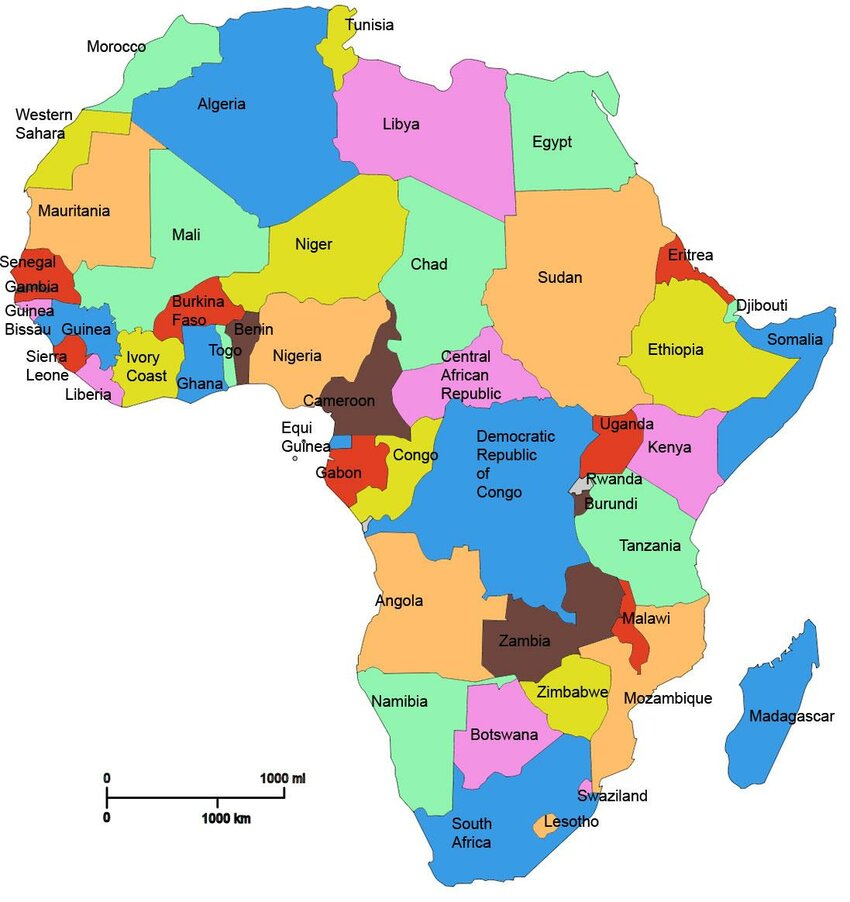
Before colonial rule, Africa was very different from what we see today. People lived freely across the land. There were no hard borders, no passports, and no visas. Communities moved, traded, married, and shared culture without restrictions. Many Africans remember this period as peaceful, organized in its own way, and close to a paradise.
So what changed?
The biggest change came with colonialism. European powers arrived in Africa in the late nineteenth century and divided the continent among themselves. Borders were drawn on maps in distant offices, without consulting African communities. These borders ignored tribes, languages, and cultural ties. They were designed to serve colonial interests, not African unity.
As a result, people who once belonged to the same community suddenly became citizens of different countries. Families, clans, and ethnic groups were separated by borders that had never existed before. This created confusion, tension, and conflicts that continue to affect Africa today.
After independence, most African countries kept these colonial borders. Leaders feared that changing them would lead to more wars. While this decision helped prevent immediate conflict, it also locked Africa into a system that restricts movement and cooperation among its own people.

Today, many Africans struggle to travel to other African countries. Visas are expensive and difficult to obtain. Borders are heavily controlled. At the same time, foreigners from powerful nations often enter African countries easily, sometimes without visas or with visas on arrival.
This happens largely because of global power imbalance. Wealthy countries dominate global systems such as travel, trade, and finance. Many African nations depend on these countries for aid, investment, or security, which weakens their ability to negotiate fair travel policies.
Another reason is limited African unity. Although organizations like the African Union promote free movement, many governments still worry about security, illegal migration, and economic pressure. Without strong trust and cooperation, borders remain closed even between neighboring countries.
The impact is painful. Africans feel like outsiders on their own continent. Opportunities are lost, trade is limited, and cultural connections fade. A colonial system continues to shape modern African life.
However, change is possible. Regional agreements and initiatives like the African Continental Free Trade Area show hope. If free movement policies are fully implemented, Africans can reconnect, trade more freely, and grow together.
Africa was once united by people, not borders. Rebuilding that spirit does not mean erasing nations. It means ensuring borders serve people rather than divide them. True freedom will come when Africans can move, work, and live across their continent with dignity.
- By Admin IMURENGE -

