

Imurenge.com
Loading...
Welcome ! Preparing Your experience ..
Welcome ! Preparing Your experience ..
July 28, 2025education#analysis
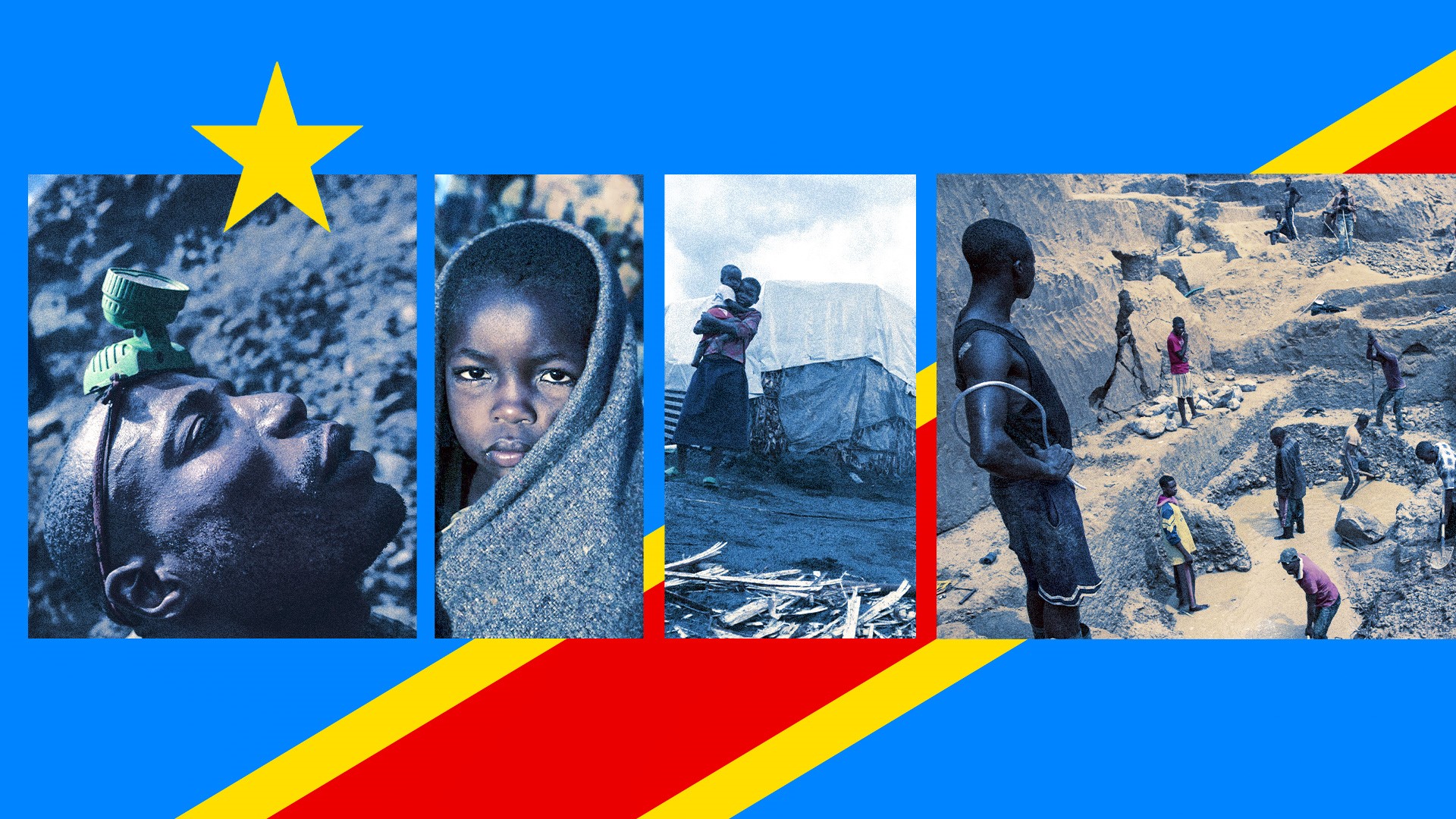
The Democratic Republic of Congo is one of the most naturally gifted countries on Earth. It has enormous forests, fertile land, and an abundance of minerals like cobalt, gold, copper, diamonds, and coltan. Yet, despite all this wealth, Congo remains one of the poorest countries in the world. Roads are often impassable, schools are under-resourced, and many people live without access to electricity, clean water, or reliable healthcare.
Congo became independent from Belgium in 1960. Around that same time, several other countries also gained independence. These include Botswana, South Korea, Malaysia, and Singapore. While these countries have progressed and built stronger systems, Congo has struggled with conflict, poor leadership, and weak institutions. So what lessons can Congo learn from those countries that were once in similar situations?
When Botswana became independent in 1966, it was one of the poorest countries in Africa. It had almost no paved roads, very few schools, and little infrastructure. But the country made a clear decision to focus on transparency, fair governance, and public institutions that served the people. Botswana managed its diamond wealth wisely and reinvested the money into education, healthcare, and clean water.
Today, Botswana is one of the most stable countries in Africa and has one of the highest living standards on the continent. The lesson here is simple. A country’s success depends more on good institutions than on natural resources alone.
In Congo, many people still live without any form of identification. This affects their ability to vote, access government services, attend school, or even prove they belong in the country. As a result, some communities have been wrongly labeled as foreigners or outsiders, even though they have lived in Congo for generations.
Other countries have done better. In Malaysia, for example, every citizen receives a smart ID card that is used for healthcare, banking, voting, and more. This system helps ensure that all citizens are visible to the government and protected by law.
Congo can take a big step forward by creating a fair and accessible identification system for everyone, regardless of their background or where they live.
After the Korean War, South Korea was one of the poorest countries in the world. It had no natural resources and its economy was weak. But instead of focusing on what it didn’t have, the government invested heavily in education and human skills. Today, South Korea is a global leader in technology, manufacturing, and innovation. It has some of the best universities and highest literacy rates in the world.
Meanwhile, Congo still struggles with high dropout rates, underpaid teachers, and overcrowded classrooms. If Congo invests more in its people, especially its youth, it will build a stronger and more sustainable future.
Without peace, no country can develop. Congo has experienced decades of conflict, especially in the eastern regions like North and South Kivu. Armed groups continue to operate, and the national army often lacks the training and resources to keep people safe.
Compare this to Rwanda. After the genocide in 1994, Rwanda focused on rebuilding its security forces, justice system, and institutions. Today, Rwanda is one of the safest countries in Africa and has one of the fastest-growing economies.
Congo needs to build a professional and disciplined security force that protects civilians and upholds justice. Peace is the foundation for any other form of development.
Congo is rich in resources, but that wealth often benefits foreign companies or corrupt officials instead of the people. In 2023, billions of dollars worth of minerals were extracted from Congo, yet many mining areas still lack schools, hospitals, and clean water.
Norway offers a powerful example. When it discovered oil in the 1960s, the country created a public fund to manage the profits. That fund now supports pensions, education, and healthcare for all Norwegians.
Congo must make sure its natural resources are used to support its citizens, not just foreign interests or political elites.
Strong, honest leadership has helped many countries rise. Lee Kuan Yew turned Singapore from a small island with no natural resources into one of the most developed nations in the world. Seretse Khama of Botswana helped build a culture of fairness, rule of law, and transparency.
Congo’s history has been marked by leaders who prioritized personal power and wealth over national progress. Changing this pattern will require a new generation of leaders who put the people first.
Congo has all the potential to become a great nation. Its land is fertile. Its people are resilient. Its resources are vast. What it needs now is a new path, one built on justice, fairness, and opportunity for all.
The lessons from other countries are clear. Invest in people. Build strong institutions. Protect the vulnerable. Use wealth wisely. And always lead with integrity.
Congo can still rise. It only needs the will to learn, adapt, and put its people first.

