


Loading...
April 11, 2026politicsinternationalnational#analysis#review
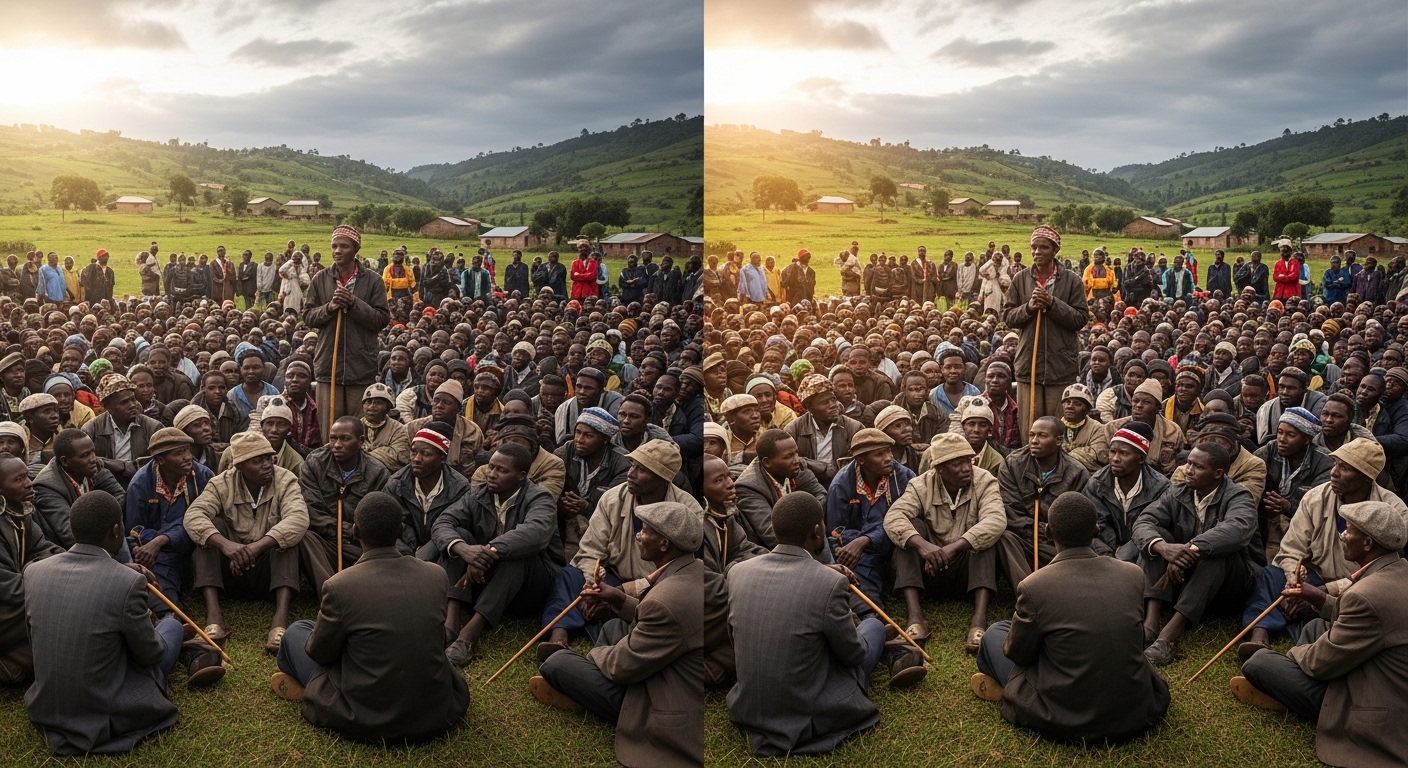
If you listen closely to conversations about eastern Congo, one thing becomes clear, people are tired of a war that never seems to end. But when you narrow the focus to Minembwe, the questions become even more personal and more urgent.
Right now, the conflict does not feel like it is moving toward a clear outcome. It is not a war with a defined front line or a predictable direction. Instead, it keeps shifting, sometimes quiet, sometimes intense, but always present. That uncertainty is part of what makes it so difficult for people on the ground. You cannot plan your life when you do not know what tomorrow looks like.
Minembwe has become one of the places where this reality is most visible. Many people are asking the same question, why here? Why does the violence seem to hit this community so consistently? Reports of attacks on civilians and livestock, including the use of drones, make the situation feel even more disturbing. It is no longer just about armed groups fighting each other. Ordinary people are caught in the middle, and in many cases, they are the ones paying the highest price.
Another layer to this is how the conflict keeps changing shape. One moment it looks like a local dispute, the next it feels tied to larger regional or political tensions. Meanwhile, the international community often appears distant, reacting slowly or not at all. For the people living through it, that silence can feel like abandonment.
Inside the community itself, things are not simple either. There are different views, different loyalties, and sometimes different paths people believe should be taken. Some align with the government, others with armed groups like AFC, M23, or Twirwaneho. These divisions do not just exist on paper, they affect trust, decision making, and even how people understand the conflict itself.
When you step back, it becomes clear that this war did not start overnight. There are deep historical roots, unresolved tensions, and competing interests that continue to fuel it. And like many prolonged conflicts, there are actors who benefit from instability, whether through power, influence, or access to resources.
One of the most worrying impacts is on young people. Growing up in this kind of environment shapes how they see the world. It can limit their opportunities, affect their mental well being, and influence the choices they make about their future. When conflict becomes normal, peace can start to feel distant or even unrealistic.
So what is the way forward? That is the hardest question. If outside help remains limited, then local and regional solutions become even more important. That means honest conversations, accountability, and a willingness to confront difficult truths. It also means learning from past mistakes instead of repeating them.
In the end, lasting peace will not come from force alone. It will come from people deciding that a different path is necessary, and then doing the hard work to make it possible. The story of Minembwe is not just about conflict. It is about resilience, survival, and the search for a future that feels safer and more certain.
