


Loading...
June 22, 2026nationalpolitics#analysis
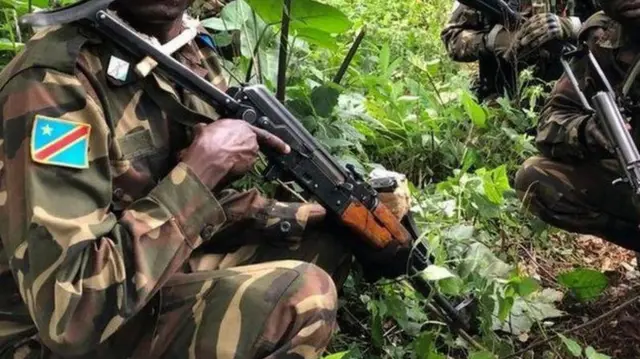
According to local accounts from the highlands of Minembwe, Twirwaneho used a combination of strategic planning, coordination, and battlefield tactics to counter the advance of FARDC, FDNB, and allied forces that were moving toward key positions around Minembwe.
The accounts state that the situation had reached a critical point, with advancing forces approaching areas considered strategically important for access to Minembwe. However, local sources report that Twirwaneho forces responded with an organized strategy, pushing back opposing forces and regaining control of several positions after intense clashes.
Additional information received from local sources indicates that fighting is still ongoing in the Gakenke area, where Twirwaneho forces are reportedly continuing operations against the coalition of FARDC, P5, FDLR, and FDNB elements. According to these accounts, the objective is to continue pushing opposing forces away from their positions toward areas such as Mukoko and Nyaruhinga.
The same sources claim that some vehicles transporting Burundian military supplies, which had been sent to reinforce forces in the Minembwe area, encountered resistance during the movement. They allege that some vehicles fell into an ambush involving forces linked to General Charles Sematama and the Burundian army lost everything. Further details about the outcome remain unclear.
Other reports indicate that additional vehicles sent to support and evacuate forces changed direction and returned toward Mugera after facing security concerns. Local sources further claim that forces positioned around Point Zéro became cautious after fearing possible attacks in the area.
For residents who have experienced months of insecurity, displacement, and repeated clashes, these developments represent more than a military event. Many local voices describe the situation as a moment of relief, with some saying they believe Minembwe has been “liberated” for a second time after another period of uncertainty and fear.
However, the ongoing fighting also highlights the continued instability in the region, where control of strategic locations changes frequently and civilians remain the most affected by the consequences of armed confrontations.
Beyond the battlefield, communities continue to call for lasting peace, security, and protection. For many residents, the real victory is not only about territorial control, but whether families can safely return home, rebuild their lives, and live without fear.
The developments remain part of the wider conflict in eastern DRC, where questions continue over civilian protection, humanitarian access, and the role of national and international actors in preventing further suffering.
