


Loading...
June 2, 2025education#analysis
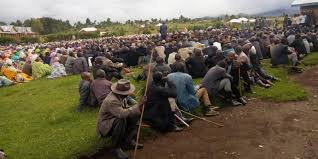
When people move to new places, whether because of migration, conflict, or the search for better opportunities, one of the most difficult challenges they face is preserving their culture. Culture is not just something we inherit; it’s what defines us. It connects us to our past, to our ancestors, and to each other. But as history has shown, when people move and adapt to new environments, many cultures fade away, lost to the pressures of assimilation and change.
Over the years, we've seen how some communities, in their efforts to survive or integrate, have let go of the traditions that once held them together. They began to dress like the people around them, speak a different language, and adopt new customs. Over time, their unique identity faded and with it, the strength that comes from cultural unity. Though they may have found success in their new homes, they lost something irreplaceable: their roots.
However, there are other communities that have succeeded precisely because they never abandoned their culture. They carried their traditions with them wherever they went. They maintained their food, their dress, and their language, even when surrounded by different people. For these communities, their culture was a source of strength, not something to be hidden or discarded. It gave them identity, pride, and resilience. They thrived because they stayed connected to their roots, no matter where they went.
As the Banyamulenge, we have a unique responsibility to preserve our culture and pass it on to future generations. Our traditions have helped us survive difficult times, and they will continue to be our strength in the future. But only if we keep them alive.
No matter where we are, whether in our homeland or in new countries, we must be proud of who we are. Our culture, our food, and our way of life reflect our history and strength. Our language is a direct link to our ancestors and our traditions are what bind us together as a people. We must teach our children to understand the value of these things so they can carry them forward with pride.
When we move to new places, it’s easy to feel pressured to blend in, to let go of the things that make us different. But this is a mistake. When we abandon our culture, we abandon a part of ourselves. Our food, the way we dress, and the stories we tell are the things that make us strong. They connect us to each other, no matter where we are. We must never forget that.
By teaching our children about our culture, we give them the tools they need to stay connected to who they are. We show them that no matter where they go, they carry with them the strength of our ancestors. Our culture isn’t something of the past; it lives in us today and will continue to shape our future.
Every time we cook a traditional meal, wear our traditional clothes, or speak our language, we are affirming our identity. These small acts keep our culture alive and show the world who we are. Culture is not just something we preserve for ourselves; it’s something we pass on to future generations so they can stand tall and proud, no matter where they go.
As Banyamulenge, we have faced countless challenges over the years. Yet we have always found a way to survive and thrive. Our culture has been the backbone of our resilience. Wherever we go, we must continue to carry it with us and share it with the world. By planting the seeds of our traditions today, we ensure that our culture will grow stronger in the future, rooted in the values that have always defined us.
Let us teach our children to value their heritage, to honor the traditions that have shaped us, and to carry them proudly wherever they may go. By doing so, we will ensure that the Banyamulenge culture will never fade. It will continue to grow and strengthen, generation after generation.
