


Imurenge.com
Loading...
Welcome ! Preparing Your experience ..
Welcome ! Preparing Your experience ..
October 18, 2025technology#breaking-news
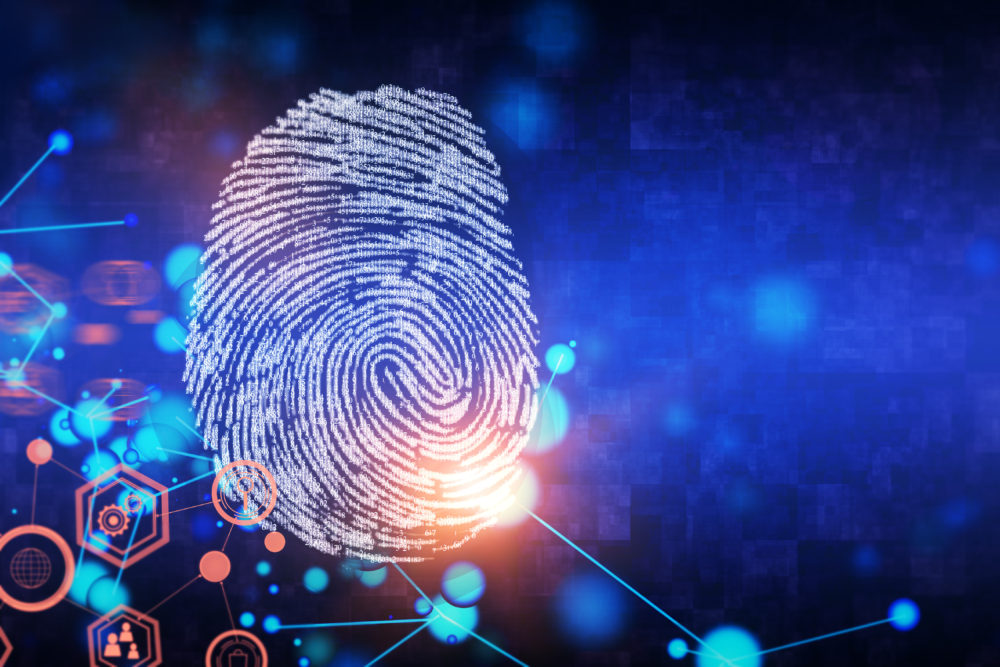
In the summer of 1892, a grisly double murder in the small Argentine village of Necochea would forever alter the course of criminal investigation. Two young boys were found brutally killed, and suspicion initially fell on a man named Velasquez, a suitor of the children's mother, Francisca Rojas. Despite intense interrogation, Velasquez denied any involvement.
The breakthrough came when a police investigator discovered a bloody thumbprint on a door at the crime scene. When compared with Rojas' prints, it was found to be identical with her right thumb. Faced with this undeniable evidence, Rojas confessed to the murders of her sons. This was the first known murder case to be solved using fingerprint analysis.
This pivotal moment marked the birth of modern forensic fingerprinting. The method was pioneered by Juan Vucetich, an Argentine-Croatian police official fascinated by the emerging theories of fingerprint identification. In 1891, he began the first filing of fingerprints, building upon ideas developed by Francis Galton, and eventually became the director of the Center for Dactyloscopy in Buenos Aires. At the time, he included the Bertillon system alongside his fingerprint files.
Vucetich developed a classification system that expanded the 40 fingerprint types identified by Galton to more than 100 types. His method, known as "icnofalangometría," allowed investigators to catalog and compare fingerprints systematically, making it far easier to identify individuals than the previous system, Bertillonage, which relied on detailed body measurements.
The success of Vucetich's system in the Necochea case demonstrated the power and reliability of fingerprints in criminal investigations. Unlike Bertillonage, which required measurements of eleven different body parts, fingerprinting was simple, precise, and virtually impossible to fake.
Vucetich documented his methods and findings in his book Dactiloscopía Comparada, which spread the knowledge of fingerprint classification and encouraged its adoption in law enforcement worldwide. Over time, fingerprinting became a cornerstone of forensic science, transforming the way crimes were solved and justice was delivered.
Today, fingerprinting remains one of the most reliable methods for individual identification, used in criminal investigations, security systems, and personal identification worldwide. The legacy of Juan Vucetich lives on, not just in the methods he developed, but in the countless cases where his discovery made the difference between mystery and justice.


