

Imurenge.com
Loading...
Welcome ! Preparing Your experience ..
Welcome ! Preparing Your experience ..
July 3, 2025politics#analysis
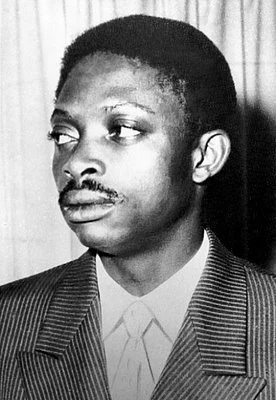
Mulele Guerrilla War

Pierre Mulele (11 August 1929 – 3 or 9 October 1968)
Before the Mulele war erupted in the Mulenge region, the area had already seen violence. People were killed, and cattle were stolen. Elisha Kagwati, the son of Rudakurwa, once shared a painful story with me. He told me how rebels known as Abateriteri killed his grandfather Ncogoza while he was herding cows in Tchanzovu. Kagwati said his grandfather died shortly after his own father was born.
The Batetela rebellion, which involved a mutiny among Tetela soldiers, took place in Congo between 1895 and 1908. It claimed many lives and caused serious destruction. Since 1964, the Banyamulenge community has endured a long and difficult journey of violence and survival. They have been under constant attack, especially from neighboring communities like the Babembe, Banyindu, and Bafulero. This hostility was not rooted in ancient hatred, but rather fueled by a few political leaders who intentionally created division among people who once lived peacefully together.
It’s important to understand that for generations, the Banyamulenge and their neighbors intermarried. They shared life together. Many Banyamulenge have nephews and in-laws among those communities, and the reverse is also true. There was once unity and mutual respect.
The conflict known as the Mulele war or Simba Mulele rebellion was named after its leader, Pierre Mulele. Born in 1929, Mulele came from the Abapende tribe in Bandundu province. He received military training in Egypt and China. After the death of Prime Minister Patrice Lumumba in 1961, Mulele served as Minister of Education during President Joseph Kassavubu’s government. At the same time, he led the Congolese National Movement (CNM).
Soon after, Mulele launched an armed rebellion against the government. At first, his forces managed to take control of a large portion of the country. However, they struggled to maintain power in the western part, near the capital Kinshasa, and lost many fighters. Eventually, they shifted their focus to the eastern regions.
The Congolese government, with help from the Banyamulenge, fought back and defeated the rebellion. This support from the Banyamulenge became one of the reasons why some politicians from the neighboring tribes have held onto resentment and continued to stir conflict in Mulenge to this day.
After suffering defeat in the west, some Lumumba party leaders including Gaston Soumialot, Nicolas Olenga, and Christophe Gbenye went east, looking for new military strategies. They first stopped in Burundi, where they met a 48-year-old Greek man named Michael Marinos. He offered support and later spoke about his involvement in an interview uploaded to YouTube.
Later, the same politicians appointed Marandura, a Mufulero from Lemera, as the party’s leader in eastern Congo. After witnessing innocent people being killed, Marandura stepped away from politics. He had embraced the Christian faith when the Gospel was first preached in Lemera, and the violence went against what he believed.
Initially, many young people from the Bafulero and Banyamulenge joined the movement. Eventually, some young men from the Babembe community joined as well. Together, they rebelled and overthrew the government in parts of the east. However, once the rebellion had succeeded, the fighters started seizing cows. They stole all the cattle belonging to Vet Riga, then turned to the Banyamulenge’s livestock. This betrayal confused and angered the Banyamulenge fighters, who had been part of the same rebellion. They decided to defend themselves and protect their herds. With this, they stood firmly with the government forces until the Mulele insurrection was completely defeated.
The rebellion had started in Muhangaza near Rubirizi and quickly spread across the country. Though the fighting ended in the west, its effects lingered much longer in the eastern regions, where it still causes pain and suffering.
For many years, the Banyamulenge lived side by side with their neighbors, especially the Bafulero, in the highlands. They built relationships and families. But repeated waves of violence have torn their communities apart. Many have been forced to flee, leaving behind everything they owned. Their villages have been burned, their cattle stolen, and their loved ones killed. Still, they hold onto hope. The Banyamulenge continue to see the Democratic Republic of Congo as their home. They believe that God is faithful and that their suffering will not last forever.
Even today, some Banyamulenge families remain in Mulenge. Despite their hardships, they have refused to abandon their homeland and seek asylum elsewhere. Others who fled are returning home, choosing courage over comfort, even though they know the risks.
When the White colonists first arrived in DR Congo, they found the Banyamulenge already living there. When the colonists left, they recognized the Banyamulenge as Congolese citizens. Many Congolese authorities and leaders have affirmed this truth, hoping that others would accept it too. Unfortunately, some communities continue to deny this fact and commit terrible acts against them.
Successive presidents of Congo have declared again and again that the Banyamulenge are Congolese. No one has the right to harass or harm them. President Felix Antoine Tshisekedi Tshilombo repeated this truth during a speech in London in 2020, saying that the Banyamulenge are Congolese like anyone else. But despite these statements, violence and discrimination persist. The Banyamulenge remain targets. Yet, through it all, they choose forgiveness.
They have shown again and again that they do not seek revenge. They have shared food and shelter with their neighbors, even those who once harmed them. Their compassion and faith in God have sustained them through some of the darkest times. In contrast, some members of neighboring communities still carry deep hatred, and if given the chance, would not spare a single Munyamulenge.
But the Gospel has made a difference. The love of Christ has changed hearts and helped many Banyamulenge continue to stand strong. Their kindness and refusal to retaliate have become their strength.
When the fighting intensified in Gihamba and Kaginga around 1970, countless lives were lost and property destroyed. But the people of Indondo, also known as Kundondo, rose up in self-defense. They stopped the bloodshed. Many brave men led the charge, including Rurinda, Gishoma, Ngarura, Nyamuja, Gitongo, and Rutihinda.
Though war has left deep wounds, the history of peace and unity among these ethnic groups remains. There is hope that they will one day return to that peaceful coexistence. We all share the same country. Conflict is often caused by a few individuals chasing personal gain, not by the people as a whole.
May God our Creator be praised for giving us the Democratic Republic of Congo. May the Congolese people live in unity. And may the Banyamulenge continue to stand strong. I love you all and will keep praying for you.

