


Loading...
October 29, 2025education#update
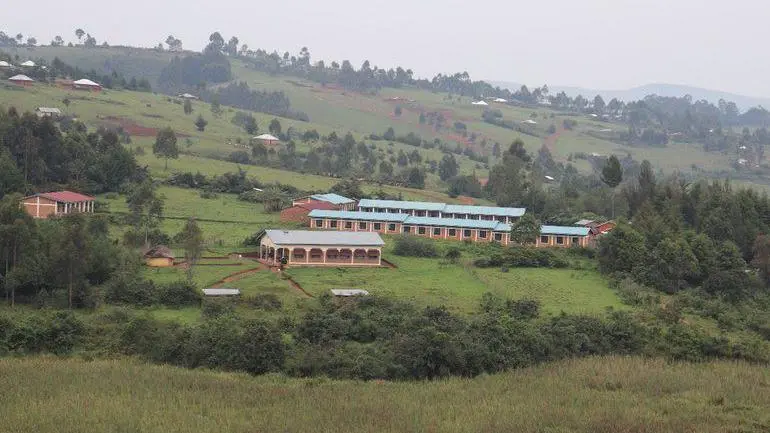
Before the wars and displacements, life in the highlands of Mulenge was peaceful and full of meaning. Mornings began with the sound of cowbells echoing across the valleys, children ran barefoot through the grass, and elders shared wisdom around small fires. Families worked the land, cared for their cattle, and supported one another through every season. Life was simple, yet deeply dignified, shaped by unity, hard work, and hope.
The greatest struggles came from nature itself. Lions attacked cattle at night, leopards prowled near the forests, and snakes hid in the tall grass. Yet the Banyamulenge understood these dangers. They protected their herds with fences made of thorns, healed wounds with forest herbs, and respected the balance of the land that sustained them. There was peace, hard work, and harmony among people and nature.
That peace ended in 1924 when the Mahina War reached the highlands. It was the first time the Banyamulenge experienced violence from other human beings. The colonial powers divided communities and turned them against each other. Their leader, King Bigimba, a man of wisdom and courage, was captured and exiled to Lulenge. His absence left a deep wound in the hearts of his people. Villages were burned, families scattered, and many lost their lives to hunger and disease.
Still, those who survived found the strength to rebuild. They carried their culture, faith, and hope forward, refusing to let their identity disappear.
Four decades later, in 1964, the Mulele rebellion brought another wave of suffering. Once again, homes were destroyed, families fled, and the Banyamulenge became targets of violence. What had begun as a peaceful community now lived under constant threat. Yet, even in the face of hatred, they remained strong and united.
Generations passed, and many Banyamulenge found new homes in distant lands. Today, their sons and daughters live across Africa, Europe, and America. They have built lives of success, education, and opportunity. They speak new languages and understand the modern world, but their hearts still belong to Itombwe.
Now is the time for them to answer the call of their homeland. The fight ahead is not one of war, but of rebuilding. It is about bringing hope to a land that has seen too much suffering. The diaspora must take the lead in transforming their community through education, innovation, and development.
The highlands need schools for children, hospitals for families, clean water, and better roads. They need investment, mentorship, and leadership. The diaspora holds the power to make this happen. With knowledge, resources, and unity, they can build a future where peace replaces conflict and opportunity replaces despair.
Real change does not come from outsiders. It begins when sons and daughters of the land return to lift their people. The Banyamulenge diaspora can turn their experiences abroad into solutions at home. Every student who has learned abroad, every professional who has built a career, every family that has found stability can play a part in rebuilding the hills of their ancestors.
The mountains of Itombwe still stand, green and patient, waiting for a new beginning. The rivers still flow, the grass still grows, and the spirit of the people still endures. What they need now is a shared vision and the will to act.
Rebuilding Itombwe is not only about returning home; it is about giving back, creating hope, and ensuring that no child grows up in fear. The future of the Banyamulenge will not be written by war but by unity, education, and love for their homeland. The time to begin is now.
