


Loading...
March 2, 2026internationalpolitics#breaking-news#analysis
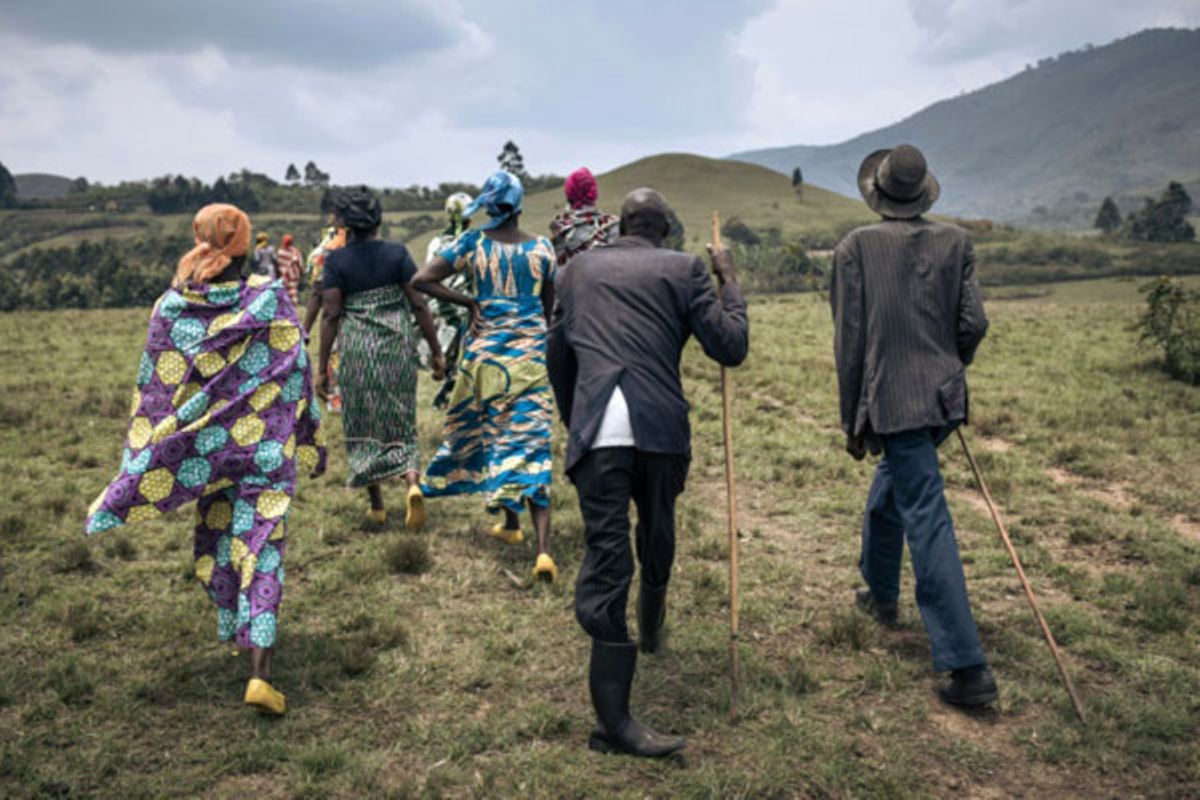
According to local residents, the clashes were concentrated around Ilundu, Gakenge, Rugezi, and Kalingi. Witnesses claim that Congolese and Burundian forces advanced toward Ilundu through marshlands and forested areas, attempting to break through defensive positions. Community members, including local men from nearby villages, reportedly joined Twirwaneho fighters in resisting the advance.
Several residents say government forces later withdrew toward the Nyamabuguma forest after facing strong resistance. Similar confrontations were reported in Mikenge the same day, suggesting that the fighting was not limited to one area.
For nearly a month, Minembwe and surrounding Banyamulenge villages have experienced repeated offensives. Civilians from Kalingi, Bidegu, Kalongi, Gitavi, and Rubemba are said to have fled their homes as the violence intensified.
Sources aligned with Twirwaneho claim that Kinshasa has invested significant military resources into the Minembwe campaign, including cooperation with Burundi and the use of armed drones. Other reports, allegedly from within FARDC circles, suggest that the operation had been planned for at least two weeks and involves more than 20,000 troops, including foreign fighters. These figures, however, remain independently unverified.
The renewed clashes come at a delicate moment. The Congolese government had previously signaled its willingness to respond to Angola’s call for a ceasefire and dialogue. Yet on the ground, fighting appears to be escalating rather than slowing down.
Meanwhile, AFC/M23 has issued its own statement accusing the Congolese government of continuing attacks not only against its positions in Minembwe and Nyaruhinga, but also in Rutshuru, despite commitments to de escalation.
As tensions rise once again in eastern Congo, civilians remain caught in the middle, uncertain whether diplomatic efforts will hold or if the conflict is entering another prolonged and dangerous phase.
