


Loading...
May 6, 2026international#opinion
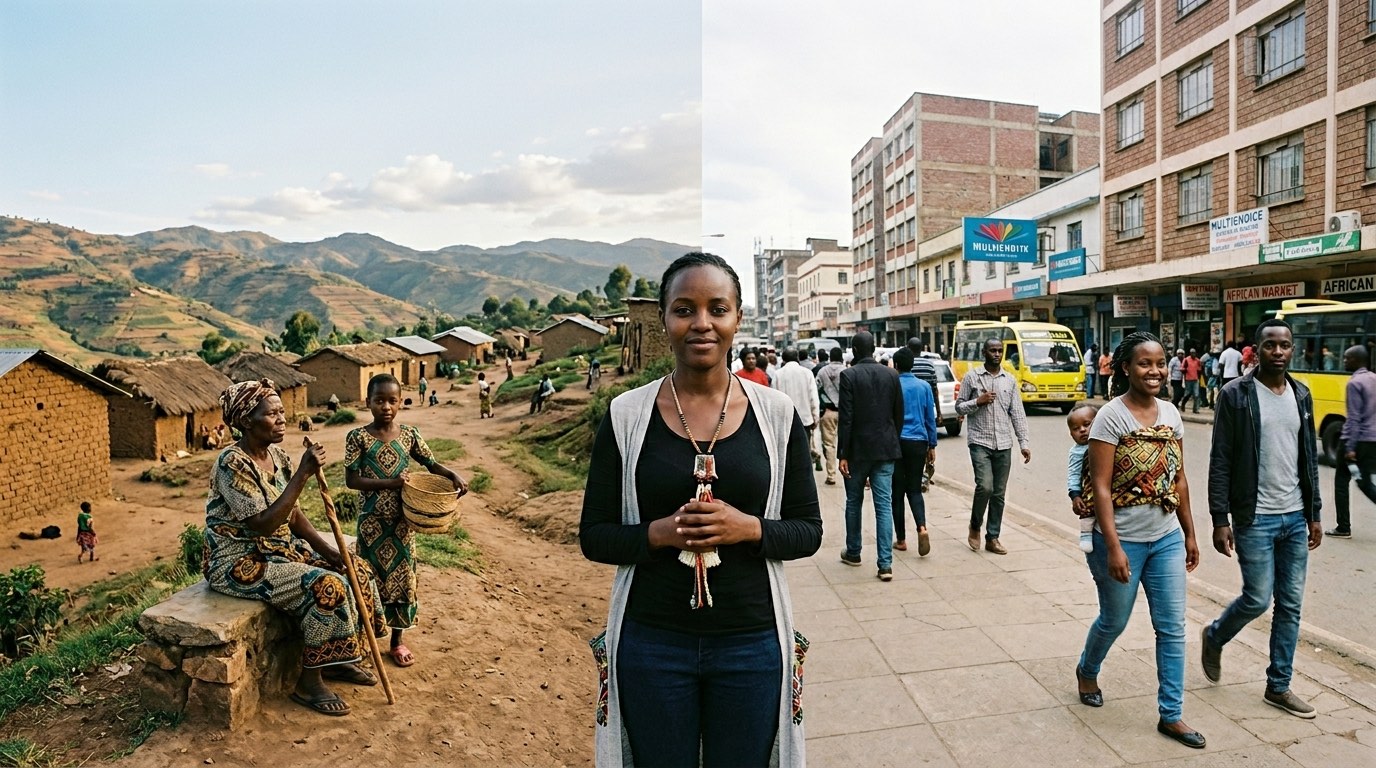
When thinking about Banyamulenge identity, it is not only about geography or where people currently live. It is about memory, language, values, and the quiet ways a community keeps itself alive across generations. Culture is carried in how people speak, how they greet each other, how stories are told, and how traditions are practiced in everyday life.
In parts of eastern Democratic Republic of the Congo, particularly areas such as Minembwe, Bijombo, and Itombwe, life has been heavily shaped by years of instability and displacement. These realities have affected community structures, disrupted traditional gatherings, and made it harder to maintain cultural practices in their original form. In many cases, survival becomes the main priority, and cultural expression slowly fades into the background.
Yet even in difficult conditions, elements of identity remain. Some families continue to teach children basic language expressions, greetings, and values passed down from elders. Small moments of cultural transmission still happen in homes and within close-knit groups, even if large community celebrations are less frequent than before. This shows that culture does not disappear easily, but it does become fragile when it is not actively supported.
In the diaspora, the experience takes a different shape. Life abroad often brings new languages, new systems, and new social environments. Younger generations may grow up speaking more English, French, Swahili or other languages than Kinyamulenge. Over time, this can create distance from cultural roots, not out of rejection, but simply due to environment and exposure.
At the same time, the diaspora also offers opportunity. There are more tools available than ever before to preserve identity. Digital platforms, social media, and community networks can be used to share stories, music, history, and language. When used intentionally, they can help bridge the gap between generations and locations.
The responsibility of cultural continuity does not rest on one group alone. It begins in small, practical actions. Speaking the language at home, telling children where they come from, sharing stories of elders, and creating spaces where identity is celebrated all contribute to cultural survival. These do not require large systems, only consistency and intention.
Across both homeland and diaspora, one idea remains central. Culture survives when it is practiced, not only remembered. It is strengthened when people actively pass it on, even in simple ways. Without this effort, identity becomes distant over time. With it, it remains alive and meaningful, regardless of location.
In the end, being Banyamulenge is not limited to place. It is carried through people. Whether in eastern Congo or anywhere in the world, identity continues through what is preserved, shared, and lived every day.
