


Loading...
May 24, 2025politics#breaking-news
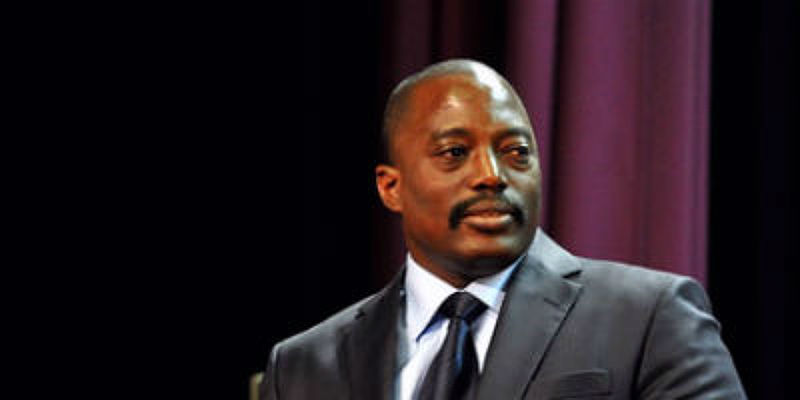
Former Democratic Republic of Congo (DRC) president Joseph Kabila broke his silence in a powerful live address, responding to rising political pressure and a Senate decision that stripped him of parliamentary immunity. His speech, delivered just a day after the vote, comes amid allegations linking him to the M23 rebel movement and renewed conflict in the eastern region of the country.
Kabila’s appearance follows his controversial visit to Goma, a city now controlled by M23 fighters. His presence there, combined with accusations from President Felix Tshisekedi’s government, has reignited national political tensions. The former president, who led the DRC from 2001 to 2019, framed his return not as a challenge to authority, but as a necessary act to defend national sovereignty.
“The current regime has crossed a dangerous line,” Kabila declared during his national broadcast. “It is governing through fear, using rumors and political manipulation to silence its opponents. This is not democracy. It’s something much darker.”
On the heels of his reappearance, the Congolese Senate voted overwhelmingly to remove Kabila’s legal immunity, allowing the military justice system to initiate prosecution. Of the voting senators, 88 supported the move, five opposed it, and three abstained. Kabila, who has the status of a senator for life, did not attend the Senate session or respond to official summons.
According to the military prosecutor, Kabila is accused of treason, war crimes, and providing support to M23 rebels. Central to these accusations is the testimony of opposition figure Eric Nkuba, who claims that Kabila encouraged the M23 leadership to oust President Tshisekedi through a coup. The reliability of this testimony, however, has come under scrutiny, with some legal experts alleging it was obtained through coercion.
Kabila’s televised statement fiercely rejected all accusations. He warned of an alarming regression in civil liberties under Tshisekedi’s leadership and accused the government of transforming the judicial system into a political weapon.
Since 2021, M23’s resurgence has destabilized eastern Congo, capturing key cities like Goma and Bukavu. The group is widely believed to receive backing from Rwanda, an allegation Kigali denies. Amid this chaos, Kabila’s brief but highly symbolic return to the eastern frontlines of the conflict drew widespread attention, and for some, suspicion.
His reemergence also prompted swift action from the state. Security forces raided several properties linked to the former leader, and his political party faced suspension. Supporters described these moves as a politically motivated crackdown designed to eliminate any viable opposition.
Political analyst Tresor Kibangula of the Ebuteli Institute commented that Kabila’s influence, though largely behind the scenes, remains potent. “He’s no longer in office, but he isn’t out of the game. The government knows this, and it’s why they’re reacting so aggressively.”
If convicted, Kabila could face the death penalty. The DRC recently lifted a 20-year moratorium on capital punishment, a controversial move that now looms heavily over his case.
As Congo edges closer to a critical turning point, the showdown between President Tshisekedi and his predecessor reveals the fragile balance of power in the country. Whether Kabila’s dramatic return marks a political comeback or a final reckoning remains to be seen—but his message was unmistakably clear: he is not going quietly.
