

Imurenge.com
Loading...
Welcome ! Preparing Your experience ..
Welcome ! Preparing Your experience ..
January 19, 2026international#opinion
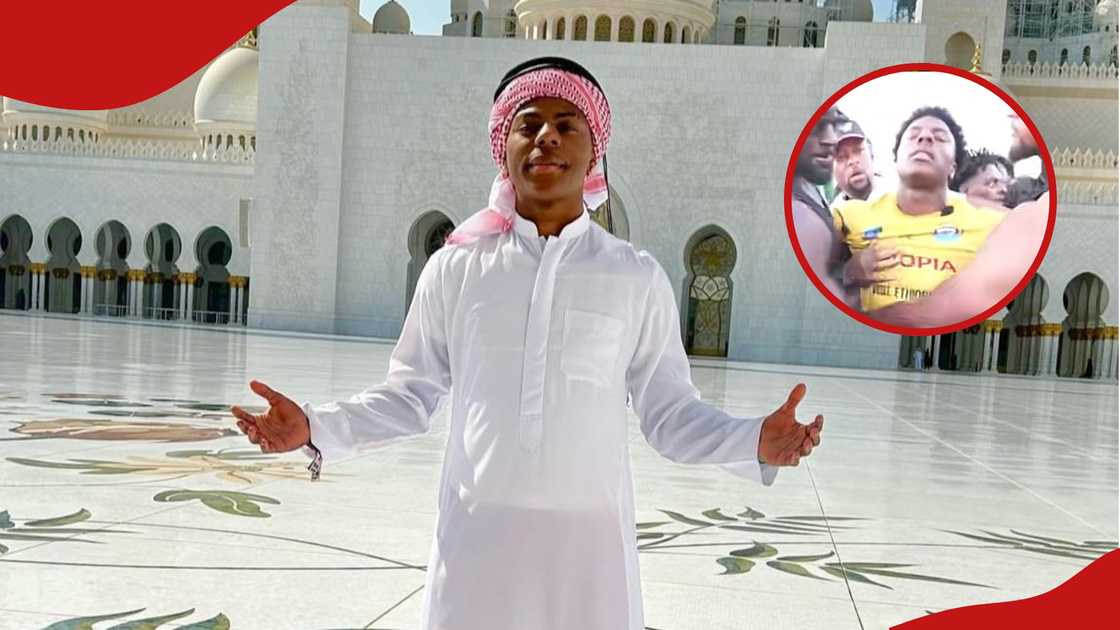
From Kigali to Addis Ababa, from Lusaka to the royal grounds of Eswatini, the arrival of IShowSpeed has been anything but quiet. Teenagers scream, some cry, others sprint just to catch a glimpse of the American YouTuber whose face they know from phone screens. For many, this is the first time a global internet star has shown up in their neighborhood, speaking directly to them, camera on, no script.
IShowSpeed, real name Darren Watkins Jr, is only 20 but commands an audience of more than 48 million subscribers on YouTube. His current journey, branded “Speed Does Africa,” spans 20 countries in just under a month. He livestreams for hours at a time, sometimes three, sometimes eleven, letting everything unfold in real time.
“I love the energy here,” he told his viewers during one stream. “The love in Africa is different.”
In Eswatini, he was welcomed into a traditional ceremony at the royal palace, symbolically initiated and given the name Logijimako, meaning the one who runs fast. Online, fans jokingly renamed him Speedani. In Angola, overwhelmed by the size of the crowd, he appeared genuinely stunned by the reception.
Across the continent, the scenes have repeated themselves. Young fans hugging him tightly in Rwanda. Crowds flooding markets and city streets in Ethiopia. Music, dance, laughter, and sometimes chaos following wherever he goes.

Speed’s approach is simple and that is precisely its power. He does not polish or heavily edit his content. What viewers see is what happens. Missed handshakes, awkward moments, bursts of excitement, even fear. In South Africa, he learned amapiano dance steps, climbed onto moving cars during a local game, and even attempted a run against a cheetah, which ended with a minor injury and a lesson learned.
In Addis Ababa, he walked barefoot to the Adwa Victory Memorial to honor Ethiopian heroes who defeated Italian forces in 1896. He laughed in disbelief when he learned Ethiopia uses a different calendar. “So it’s 2018 here?” he joked, before dancing eskista with local performers and tasting raw meat, a traditional delicacy.
Hotel manager Yonaiel Tadiwos watched closely. “One day of streaming can change how people see our country,” he said. “Many never give Ethiopia that chance.”

But not everyone is convinced.
Critics argue that Speed’s tour risks turning complex societies into entertainment. On Reddit, a user from Niger described the streams as big parties that ignore deeper struggles like unemployment and poverty. Others questioned whether moments of chaos, including fans being pushed by security or missed protocol such as failing to greet Miss Universe Zimbabwe Lyshanda Moyas, undermine the respect such visits should carry.
Speed’s own past also follows him. He has previously been banned from gaming platforms for offensive remarks and temporarily suspended from YouTube over inappropriate behavior. His brand has always been built on excess, loud reactions, backflips, risky stunts, and emotional extremes.
Yet for his young audience, especially Gen Z and Gen Alpha, that authenticity matters more than polish.
“He is just himself,” said 16 year old Chinyama Yonga from Zambia. “That’s why we love him.”

Even younger fans agree. Eleven year old Henry Dale, watching from the UK, described Speed as funny, generous, and fearless. “He helps people and he’s not fake,” he said.
So does one streamer have the power to change how the world sees Africa?
Probably not alone. But as Samba Yonga, Chinyama’s mother, puts it, “It’s a beginning. He woke something up. Pride, curiosity, and confidence in young Africans at home and in the diaspora.”

Conclusion and message
This moment is bigger than IShowSpeed. His visit has exposed a deeper truth. Africa does not need saving narratives or constant self blame. It needs honest storytelling, confidence, and people willing to show everyday life as it is, complex, joyful, imperfect, and human.
To those in the diaspora and at home who spend more time blaming their countries for not developing, this is a reminder. Progress does not begin with shame. It begins with belief, responsibility, and ownership of our story. Development is not only about governments and systems, it is also about mindset, unity, and how we speak about ourselves to the world.
If one loud, unfiltered YouTuber can spark pride and global curiosity, imagine what we can do when we tell our own stories with the same courage and honesty.

