

Imurenge.com
Loading...
Welcome ! Preparing Your experience ..
Welcome ! Preparing Your experience ..
August 14, 2025politics#breaking-news
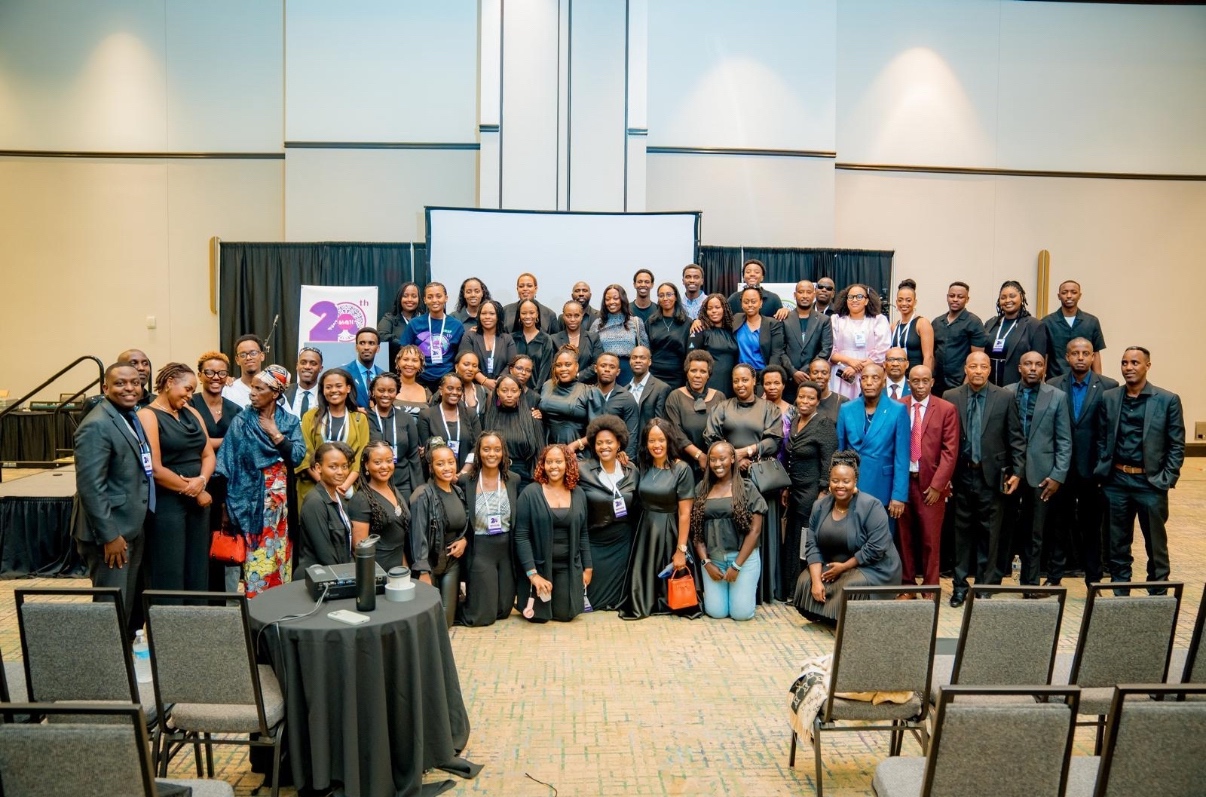
This weekend, from Friday to Sunday, August 15–17, 2025, the Banyamulenge diaspora living in the United States will gather in Seattle, Washington, for the 21st annual commemoration of the 2004 Gatumba massacre. Organized by the Gatumba Refugee Survivors Foundation, the event honors the 166 lives lost and supports survivors who continue to seek justice (imurenge.com).
On the night of August 13–14, 2004, armed assailants from the Hutu-led National Liberation Front (FNL), then commanded by Agathon Rwasa, attacked the UNHCR-run Gatumba transit camp in western Burundi, near the DRC border. Of the 166 people killed, 154 were Banyamulenge refugees from South Kivu, and 14 members of the Babembe tribe, who had fled for their own safety, were also murdered. The attackers used grenades, machetes, fire, and automatic weapons while the refugees slept in makeshift tents. This massacre remains a tragic example of crimes against humanity and a stark reminder of the global responsibility to protect vulnerable civilians.
These refugees had fled the Kivu conflict in eastern DRC, where clashes between two colonels, Jules Mutebutsi and Prosper Nabyolwa, had forced civilians to bear the consequences of armed conflict. Seeking safety, they arrived at Gatumba only to face death in what was supposed to be a sanctuary. The massacre was documented by Human Rights Watch and several UN agencies, including the UN Mission in the DRC, the UN Mission in Burundi, and the Office of the High Commissioner for Human Rights.

Today, commemorations took place in Rwanda, Burundi, Kenya, and the DRC, particularly in Bukavu and Goma, cities closely connected to the Banyamulenge community. At the Mahama refugee camp in Rwanda, thousands of Congolese refugees marched more than five kilometers in a silent tribute to the victims. Participants carried signs reading: “Stop the genocide against the Tutsi and the Banyamulenge in particular,” “No to impunity,” and “Shame on the international community that failed to protect the Banyamulenge in Gatumba.”
A candlelight vigil was held the evening before, with refugees gathering to pray and listen to the poignant testimonies of survivors. During the ceremonies, attendees called for justice, denouncing crimes against humanity and the impunity of Agathon Rwasa, then leader of the FNL, who claimed responsibility for the attack but continues to move freely as a political figure.
Representatives from UNHCR and the Rwandan government urged calm, non-violence, and respect for the law, while emphasizing the importance of justice for the victims.
Last year in Phoenix, Arizona, survivors such as Aline Kamaliza and Desire Rusengo shared their experiences. Kamaliza, who crawled out of a burning tent after her parents were shot, now stands as a mother and professional, a symbol of resilience and hope. Rusengo, who lost his mother, spoke of healing through community and the power of sharing stories.
At the beginning of August 2025, Laurent Ruboneka, another Gatumba survivor, faced extreme danger while seeking justice. He was arrested, taken to Kinshasa, and subjected to torture. His courage highlights the risks that survivors endure in their fight for accountability and the lengths some go to silence those demanding justice.
Since the massacre, several legal proceedings have been initiated in the DRC, Burundi, Rwanda, and at the International Criminal Court. In August 2024, survivors and advocates filed complaints for crimes against humanity and genocide. French lawyer Dominique Inchauspé, representing the Gatumba Massacre Survivors Foundation, emphasized that the attack was ethnically targeted, fulfilling the definition of genocide. These legal efforts aim to end impunity and bring international attention to the tragedy.
These gatherings are more than rituals; they are acts of remembrance, resilience, and solidarity. The Banyamulenge diaspora demonstrates that even in the face of tragedy, their voices must be heard. By honoring the victims, supporting survivors, and advocating for justice, these communities ensure that the massacre is never forgotten and that accountability remains a global imperative.

Gatumba Survivors
Agathon Rwasa, the former leader of the FNL, and Pasteur Habimana, who initially claimed responsibility for the attack, remain free and continue to be active in Burundian politics. Their freedom underscores the ongoing challenges survivors face in seeking justice and the persistent issue of impunity for those responsible for crimes against humanity.

Pasteur Habimana

Agathon, Rwasa

