


Loading...
February 2, 2026education#opinion
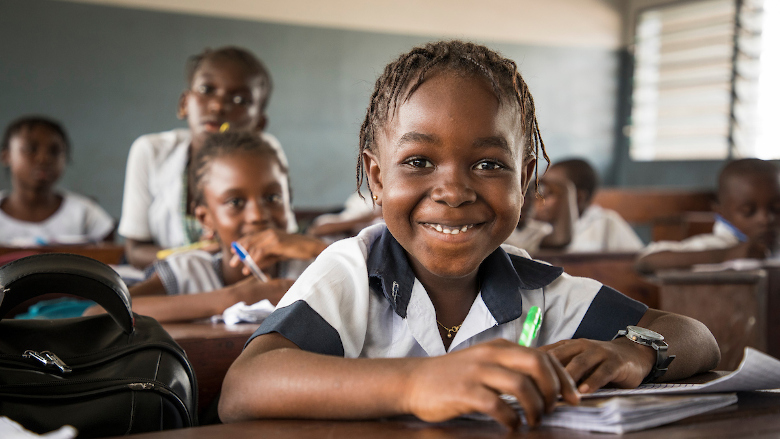
Roads can be rebuilt. Buildings can be replaced. But a nation without a prepared mindset struggles to sustain any progress.
Congo’s development challenge is often framed around infrastructure, security, or funding. Yet beneath these visible problems lies a deeper issue, the absence of a shared development mindset.
Nations rise not only because of what they build, but because of how their people think, plan, and cooperate.
From early schooling to professional life, many Congolese learn how to survive rather than how to build. The system rewards shortcuts, connections, and improvisation more than competence, integrity, or long term thinking.
When education prioritizes memorization over critical thinking, graduates struggle to innovate. When success depends on who you know rather than what you know, talent becomes discouraged.
Development requires citizens who can design systems, manage institutions, and solve complex problems. Without this foundation, infrastructure alone becomes fragile.
Congo operates in a permanent state of urgency. Decisions are made to fix today’s crisis, not tomorrow’s future. This emergency culture affects governance, business, and personal planning.
Countries that developed invested in patience. They built policies that outlived political cycles and trained citizens to think in decades, not days. Short term solutions may calm tensions, but they rarely produce transformation.
Without long term vision, progress remains temporary.
The departure of skilled Congolese is often blamed on lack of patriotism. In reality, it reflects lack of opportunity and trust in systems.
People leave environments where effort is unrewarded and rules are unstable. They stay where merit is respected and futures are predictable. Brain drain is not betrayal; it is a rational response to weak institutions.
Stopping it requires reform, not slogans.
Countries that transformed themselves did not begin with wealth. They began with discipline, education reform, and institutional respect.
They taught civic responsibility early. They normalized accountability. They treated public service as a duty, not a shortcut to wealth.
Congo can follow similar paths, but only if education is seen as nation building, not merely schooling.
Infrastructure collapses without competent people to maintain it. Policies fail without citizens who understand and defend them.
Congo’s future depends on investing in mindset, ethics, and critical thinking. Development will follow when citizens are trained to build systems rather than navigate chaos.
The most urgent construction project in Congo is not a road or a bridge. It is the rebuilding of how we think, plan, and work together.
