


Loading...
May 16, 2026nationalinternationalpolitics#breaking-news
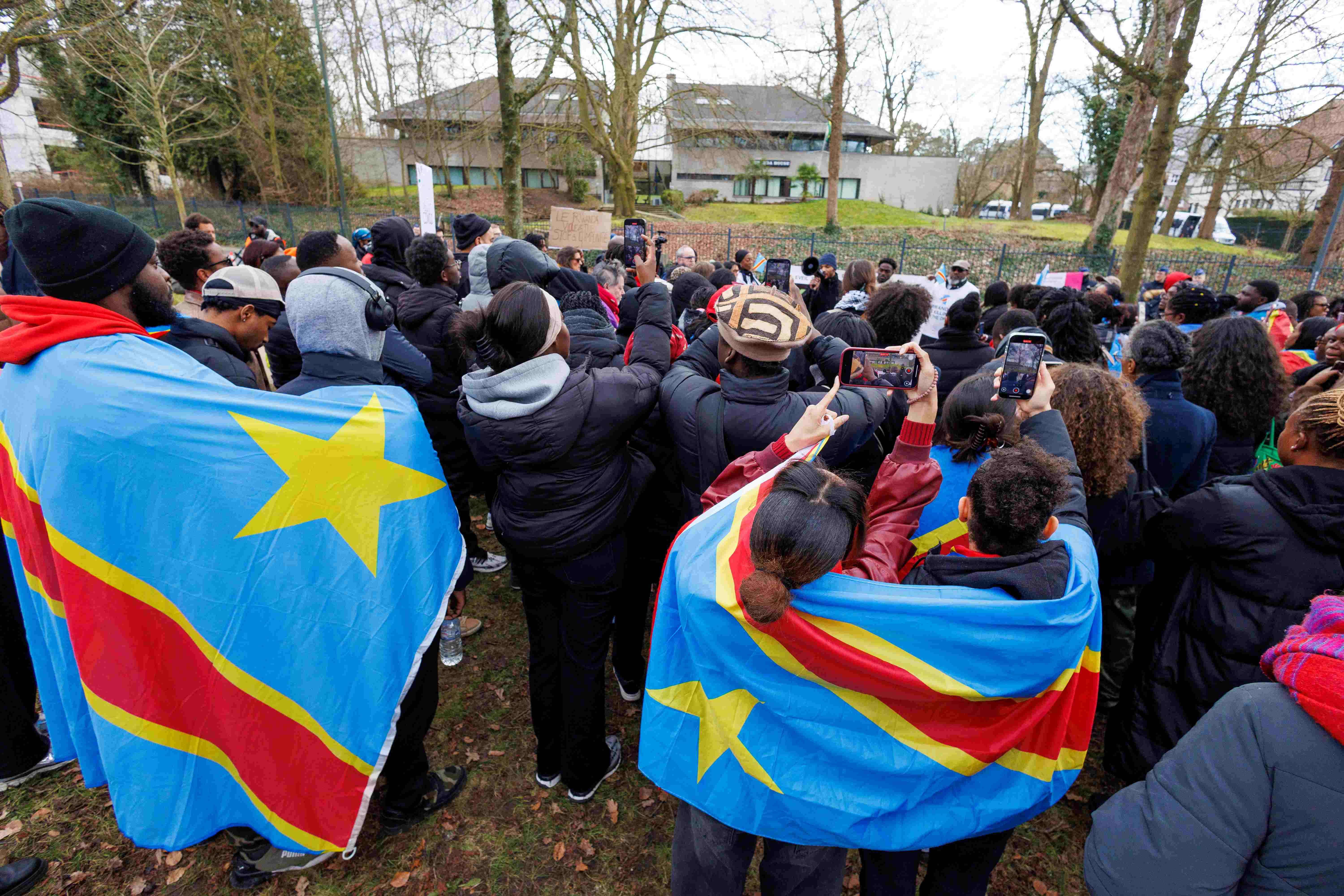
Many people in eastern Democratic Republic of the Congo are asking the same difficult questions.
A protest in Brussels, similar to those held in Washington DC, Nairobi, or Canada, can help bring attention to the crisis, amplify voices that feel ignored, and push international actors to pay closer attention. It can also give affected communities a chance to speak for themselves and challenge narratives they believe do not fully reflect realities on the ground.
But on its own, a demonstration is unlikely to immediately stop the killings in places like Minembwe, Ituri, and other conflict affected regions. The violence in eastern Congo is rooted in a long and complicated mix of armed groups, regional rivalries, political interests, weak governance, ethnic tensions, and decades of unresolved insecurity.
As for United Nations Organization Stabilization Mission in the Democratic Republic of the Congo, its official mission is to protect civilians, support stabilization efforts, monitor human rights abuses, and help restore security. Yet after many years of conflict, frustration toward the mission has continued to grow among many Congolese communities.
Some believe MONUSCO has failed to prevent massacres and protect civilians despite its large presence and resources. Others feel the mission reacts too slowly or has become disconnected from what people are experiencing daily on the ground. In several parts of Congo, that frustration has already turned into protests against MONUSCO itself.
At the same time, supporters of the mission argue that MONUSCO is operating in one of the most difficult conflict zones in the world, facing political limitations, enormous territory, and dozens of armed groups. They argue that no international mission alone can solve eastern Congo’s problems without stronger political cooperation inside Congo and across the region.
That is why opinions about MONUSCO remain deeply divided.
But for ordinary civilians, the debate often becomes much more direct and emotional. If innocent people continue dying after years of international presence, many naturally begin asking whether the system that promised protection is truly working.
And with every new attack, every displaced family, and every ceasefire that collapses, that frustration only grows deeper.
As the demonstration ended, one feeling remained clear among many in the crowd, that truth, suffering, and lived experiences cannot be erased forever, even when the world chooses not to look closely.
