


Loading...
April 24, 2026nationalinternationalpolitics#breaking-news
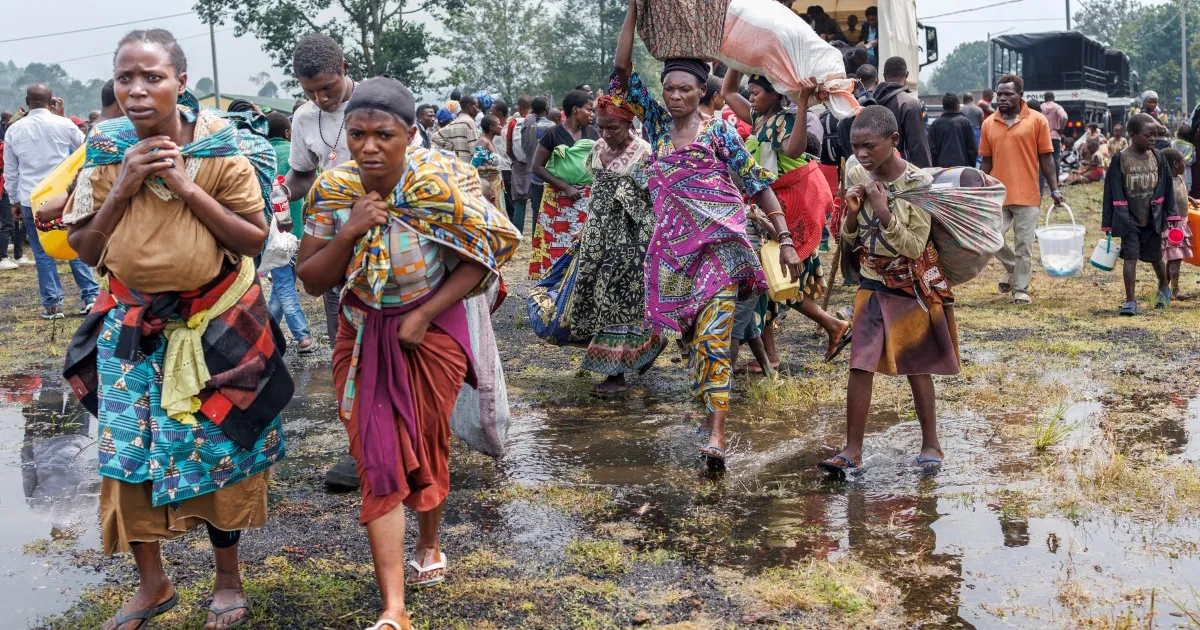
About 470 Congolese refugees who had been living in Burundi were officially returned this Thursday to Uvira, in South Kivu Province. The repatriation was organized through coordination between the Burundian government and the UNHCR, as part of ongoing efforts to support displaced populations in the region.
For many of those returning, the journey back home carries a mix of relief and uncertainty. Several families described the moment as emotional, saying they were happy to set foot again in their homeland after months of hardship. Life in the refugee camps, especially in areas like Busuma in Ruyigi Province, had become increasingly difficult. Refugees spoke of limited access to basic needs, overcrowding, and daily struggles that made survival challenging.
Local civil society groups in Uvira welcomed the return of these families, emphasizing that this outcome follows repeated calls for solutions that would allow Congolese refugees stranded in Burundi to come back safely and with dignity. For them, this repatriation is not just a movement of people, it represents a step toward restoring lives that were disrupted by conflict.
Support is expected to continue after arrival. The World Food Programme has indicated that returnees will receive food aid, while additional financial assistance is planned to help families begin rebuilding their lives. Humanitarian actors are focusing on immediate needs such as shelter, food, and basic services, though long term reintegration remains a major challenge.
This return comes in the broader context of a large scale displacement crisis that intensified in late 2025. In December of that year, more than 200,000 people fled from Uvira, the Ruzizi Plain, and parts of Fizi Territory into Burundi. The exodus was triggered by renewed violence and instability, including the takeover of Uvira by the AFC/M23. Many families fled suddenly, leaving behind homes, belongings, and livelihoods.
While this week’s return marks a significant development, questions remain about conditions on the ground. Some areas of South Kivu continue to face insecurity, and not all displaced families may feel safe enough to return yet. For those who have come back, the focus now shifts to rebuilding, finding stability, and hoping that the circumstances that forced them to flee will not repeat themselves.
The situation reflects both progress and fragility. On one hand, families are returning home. On the other, the underlying issues that caused their displacement are still not fully resolved.
