


Loading...
January 31, 2026politics#analysis
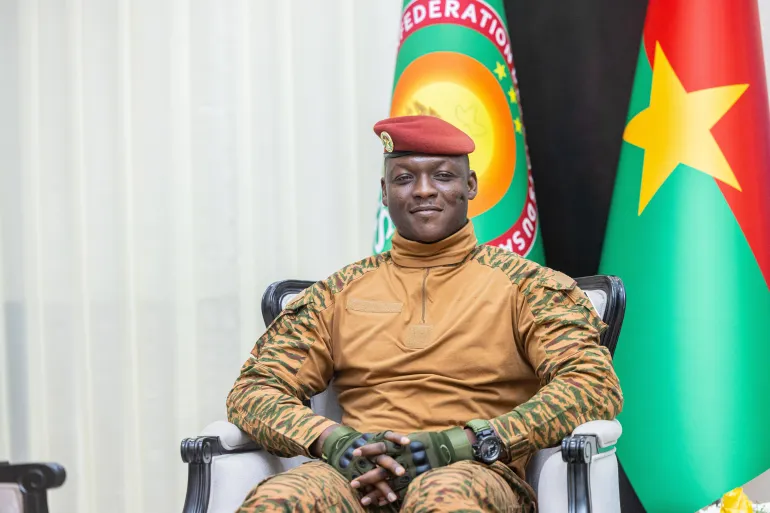
In late January 2026, Burkina Faso’s transitional military government announced the dissolution of all political parties and political associations in the country. The decision was taken during a council of ministers meeting chaired by President Ibrahim Traoré, who has led the country since the military takeover in September 2022.
According to government officials, the move was justified as a way to restore national unity and improve governance. Authorities argued that the large number of political parties had weakened social cohesion and distracted the country from addressing serious security and development challenges. With this decree, all party activities were officially terminated, and their assets were transferred to the state. New rules are expected to define how political organizations may operate in the future.
However, the decision has raised serious concerns among civil society groups, analysts, and international observers. Many fear that eliminating political parties restricts democratic space, limits freedom of expression, and concentrates power in the hands of a few. Critics argue that while unity is essential, it should not come at the cost of citizens’ political rights.
Burkina Faso’s experience provides a powerful point of reflection for the Democratic Republic of Congo. Our country also faces political divisions, governance challenges, and social tensions. Yet, the path to unity does not require silencing political voices.
True national unity is not built by removing political diversity but by managing it responsibly. Congo can encourage political pluralism while enforcing clear rules that promote accountability, transparency, and national interest over personal gain.
Lasting stability comes from institutions, not from concentrating authority in one office or group. Congo’s future depends on reinforcing independent courts, a credible electoral system, and a parliament that genuinely represents the people.
Congo has immense natural and human resources. A unifying national project focused on development, education, healthcare, and infrastructure can bring citizens together beyond party lines, ethnic identities, or regional differences.
Citizens play a critical role in shaping the nation. Encouraging peaceful dialogue, civic education, and youth participation helps prevent frustration and radicalization. When people feel heard, they are more likely to protect national stability.
Every country has its own history and context. Congo can observe what is happening in Burkina Faso, learn from both the intentions and the consequences, and choose a path that strengthens democracy rather than weakens it.
The dissolution of political parties in Burkina Faso highlights the tension between the desire for order and the need for freedom. For Congo, the lesson is clear. A strong, united, and prosperous nation is built through inclusive governance, respect for democratic principles, and a shared commitment to the common good. Unity imposed by force is fragile, but unity built on justice, participation, and development can endure.
