


Imurenge.com
Loading...
Welcome ! Preparing Your experience ..
Welcome ! Preparing Your experience ..
December 11, 2025politics#breaking-news
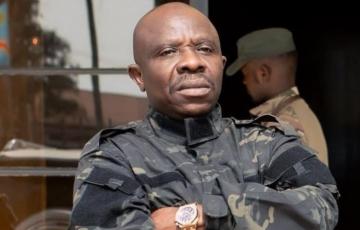
Thirteen years after leaving Uvira as a prisoner, Bernard Byamungu steps into the city once again. The moment is captured on video in front of Uvira’s Town Hall, just a short distance from the very place where, in 2012, the military prosecutor’s office had sentenced him to life in prison and dismissed him from the ranks of the Armed Forces of the DR Congo.

Between 2009 and 2012, Byamungu served as a Colonel and headed the Congolese army across the Uvira region, commanding the 9th Operational Sector of the FARDC. In April 2012, he took part in a mutiny led by former CNDP elements, integrated into the FARDC since 2009. In Uvira and Fizi, the mutiny ended quickly; Byamungu and about ten of his comrades were arrested, while others retreated toward North Kivu and later regrouped, forming what would become the M23 movement.
On May 30, 2012, a special military court convened to try the mutineers. Thousands of Uvira residents gathered outside the military prosecutor’s office, witnessing a historic moment. Byamungu, at the front of the list of defendants, awaited his sentence. The verdict was severe: life imprisonment for the ringleaders, including Byamungu, and dismissal from the Armed Forces of the DR Congo. After the ruling, they were transported to Bukavu and later transferred to Ndolo military prison in Kinshasa.

Years later, political agreements and negotiations led to his release. President Felix Tshisekedi, in line with a deal with M23, freed him from prison after eight years. Byamungu’s journey did not end there. Another figure, Bizimwa, who had faced accusations in the past, eventually chose to join M23 and has since risen to a leadership position at the front.

As Byamungu now returns to Uvira, questions arise. Why does he continue to fight? Is this a pursuit of justice for past wrongs, a personal quest for recognition, or a desire to settle old scores? Can the memories of defeat and imprisonment drive a leader to seek change, or even reconciliation, in ways that shape the future of the region?

Thirteen years on, as he walks past Uvira’s Town Hall and the military prosecutor’s office, the memories of that day in May 2012 remain vivid. Stripped of his uniform and rank by ordinary soldiers, he now returns not as a defendant but as a man whose story has taken unexpected turns, intertwined with the rise of M23 and the leadership of those who once stood accused.

